Introduction
If you love both photography and video, you already know Nikon’s place in creative history. From legendary DSLRs to the Z series mirrorless lineup, Nikon has been a trusted name for decades.
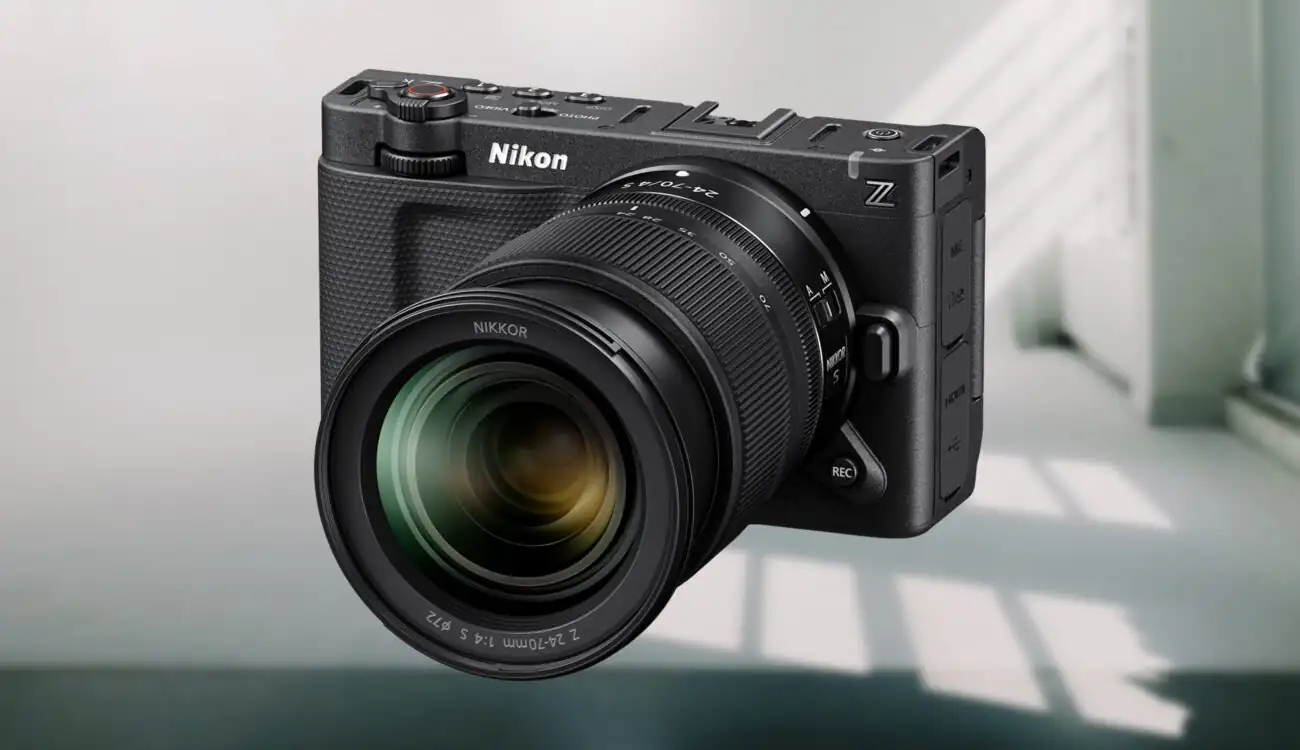
But today, Nikon steps into a whole new territory with the Nikon ZR — its first true full-frame cinema camera, developed in collaboration with RED Digital Cinema.
This isn’t just another “mirrorless that shoots video.” It’s a purpose-built cinema camera designed for filmmakers who want uncompromising quality in a compact package. In this expert guide, I’ll show you why the ZR is so special, how to get the most out of it, and why it’s already one of the coolest cameras of 2025.
The Main Ingredients of the Nikon ZR
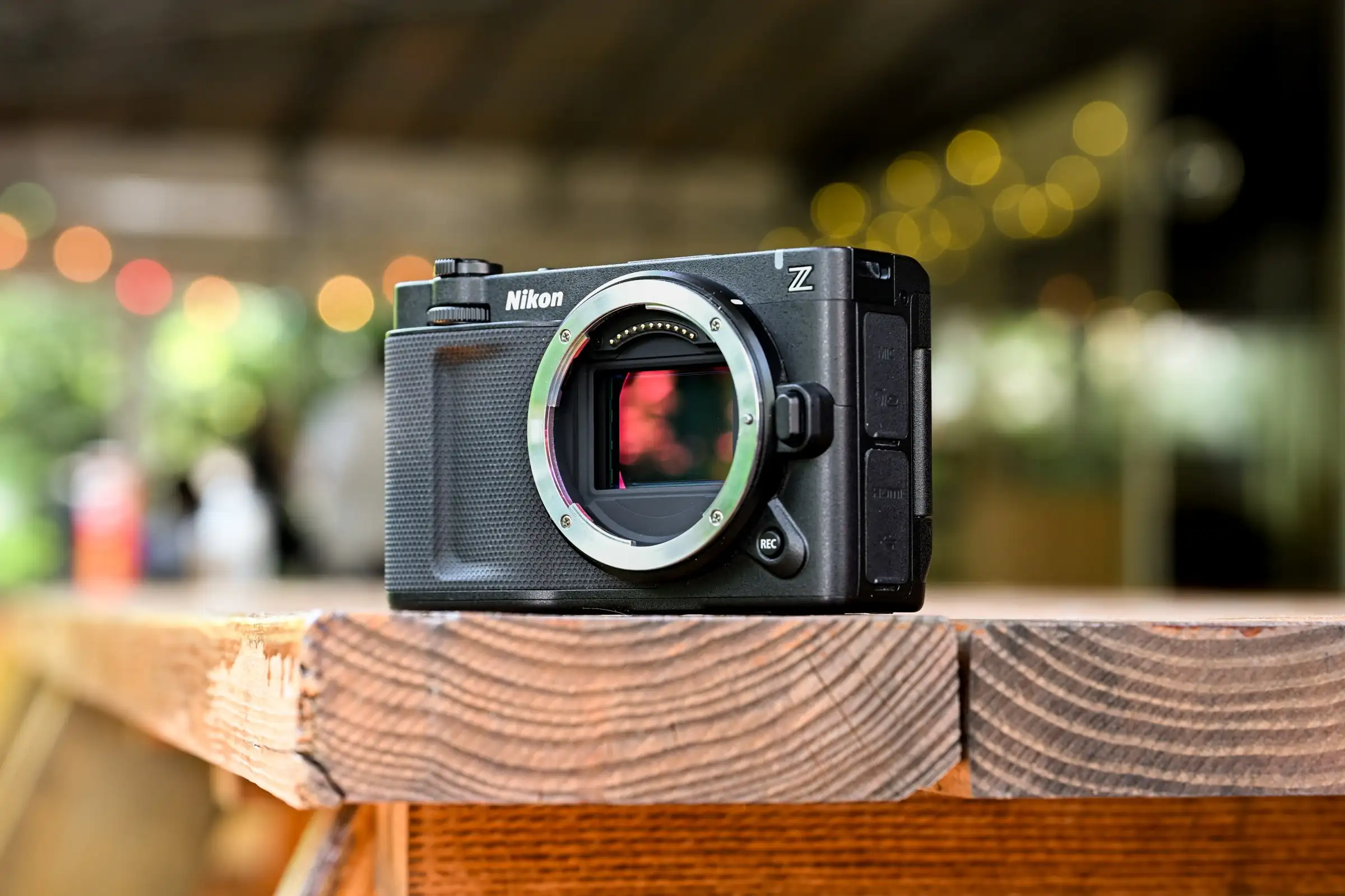
Like every good recipe, let’s start with the ingredients:
- 24.5MP full-frame partially stacked sensor with more than 15 stops of dynamic range.
- R3D NE codec co-developed with RED for true cinema workflows.
- 6K RAW up to 60 fps, 4K up to 120 fps, FullHD up to 240 fps.
- 5-axis in-body stabilization (IBIS) delivering ~7.5 stops of compensation.
- Dual native ISO: 800 and 6400, for optimal performance in both low-light and daylight.
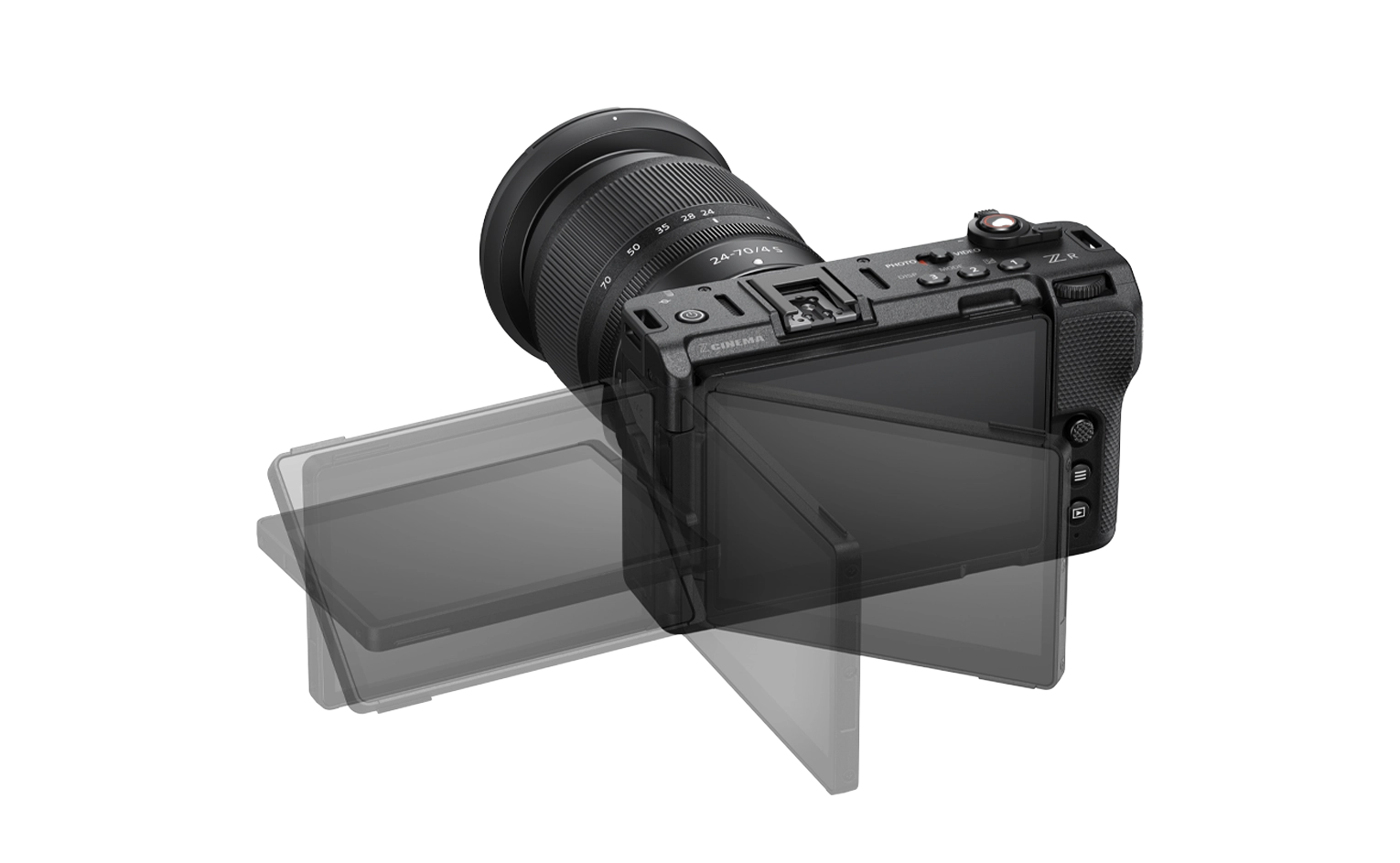
- 4-inch vari-angle touchscreen display with 1000 nits brightness.
- 32-bit float audio with directional mic and external input options.
- Compact body: just 540 grams, only slightly larger than a mirrorless.
- Launch price: ~€2350 (body only).
Why the Nikon ZR Is So Cool
1. True Cinema RAW in Your Bag
Internal 6K RAW recording means you can:
- Recover shadows and highlights like on a full RED camera.
- Crop or stabilize in post without losing quality.
- Treat every frame as a “digital negative” for maximum grading freedom.
2. Incredible Stabilization
With 7.5 stops of IBIS, handheld footage looks like it’s on a dolly. Perfect for run-and-gun shooting, gimbals, or even drone setups.
3. RED Color Science Meets Nikon Ergonomics
The ZR gives you REDWideGamutRGB and Log3G10 directly in-camera. Combined with Nikon’s proven interface and reliability, this makes professional cinema workflows available in a user-friendly body.
4. A Cinema Camera That’s Affordable
At under €2500, the ZR delivers specs that were once reserved for cameras costing ten times more.
5. Audio That Matters
Built-in 32-bit float audio ensures clean, distortion-free sound — reducing the need for external recorders.
Limitations to Keep in Mind
- No electronic viewfinder → only the rear display, tricky in bright daylight.
- CFexpress slot inside battery door → awkward when mounted on rigs.
- Micro HDMI instead of full-size → less robust for external monitoring.
- Heavy RAW files → demands fast storage and powerful editing hardware.
- Video-first design → capable of stills, but it’s not its main strength.
Who the Nikon ZR Is For
- Independent filmmakers → for shorts, music videos, documentaries, and passion projects.
- Travel creators → compact body, cinematic RAW for grading travel footage.
- Production houses → an excellent B-cam fully compatible with RED workflows.
- Social media creators → slow-motion up to 240 fps with cinema-grade colors.
- Nikon shooters → anyone already invested in Z-mount lenses now has a true cinema option.
Comparison: Nikon ZR vs Competitors
Here’s how the ZR stacks up against three key rivals in the compact cinema space:
| Feature | Nikon ZR | Sony FX3 | Canon C70 | Blackmagic Pocket 6K Pro |
|---|---|---|---|---|
| Sensor | Full-frame, 24.5MP | Full-frame, 12MP | Super 35mm, 9.6MP | Super 35mm, 21MP |
| Dynamic Range | 15+ stops | ~15 stops | ~16 stops | ~13 stops |
| Max Resolution | 6K at 60 fps RAW | 4K at 120 fps | 4K DCI at 120 fps | 6K at 50 fps RAW |
| Codec | R3D NE, N-RAW, ProRes, H.265/H.264 | XAVC S-I, XAVC HS, ProRes RAW (external) | XF-AVC, Cinema RAW Light | Blackmagic RAW, ProRes |
| Stabilization | IBIS (7.5 stops) | IBIS | No IBIS | No IBIS |
| ISO Performance | Dual native (800/6400) | Excellent low light | Good, less strong in low light | Decent, not FX3 level |
| Audio | 32-bit float, mic input, headphone out | XLR (via top handle), 24-bit | Dual mini-XLR, 24-bit | Mini-XLR, 24-bit |
| Body Weight | ~540g | ~715g | ~1190g | ~1238g |
| Price (approx.) | €2350 | €3900 | €5700 | €2600 |
Takeaways from the Table
- Best Value: Nikon ZR — lowest price, still offers 6K RAW and IBIS.
- Best for Low-Light: Sony FX3 — fewer megapixels, better sensitivity.
- Best for Broadcast: Canon C70 — powerful codecs, but heavier and pricier.
- Best RAW Flexibility: Blackmagic Pocket 6K Pro — strong BRAW workflow, but no IBIS.
Why the ZR Matters
The Nikon ZR represents a paradigm shift: cinema-grade workflows, RED color science, and Nikon usability — now available for under €2500.
It democratizes cinema the same way mirrorless cameras democratized photography. Whether you’re an indie creator or part of a pro crew, the ZR is a compact, powerful, and affordable way to capture cinematic stories.
My Final Recipe
The Nikon ZR is like a premium ingredient: compact yet powerful, versatile yet distinctive. It’s not for everyone, but if your goal is to tell stories with cinematic quality, to experiment with RAW grading, and to step beyond the limitations of hybrid cameras, this is the tool to do it.
👉 Don’t have the ZR yet? You can still give your photos a cinematic touch. Try the Photo Recipes Film Simulation Generator and bring the look of cinema to your photography today.